Here’s the short answer: Sheetrock is drywall. “Sheetrock” is a brand name — a line of gypsum board made by USG Corporation — the same way Kleenex is a brand of tissue. When a contractor says they’re “sheetrocking” a room, they mean hanging drywall, whether or not the panels in the truck are actually the USG brand. So if you’ve been comparing sheetrock vs drywall as if they were two different materials, you can stop: they’re the same product category, installed the same way, at the same price class.
The decisions that actually change your project’s outcome are the ones most articles skip: which type of drywall panel goes in which room, what thickness to use, and when damaged drywall should be repaired versus replaced. This guide covers all of it, from a team that has been opening up and finishing walls in Los Angeles remodels for over two decades.
What Is Drywall?
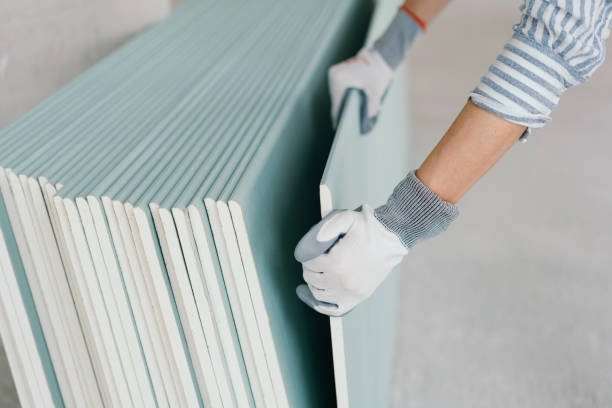
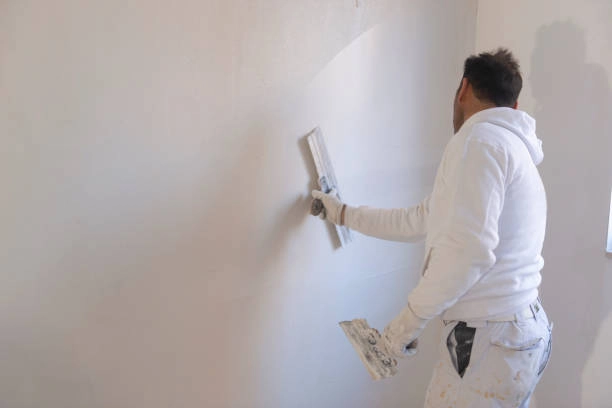
Drywall — also called gypsum board, wallboard, or plasterboard — is a panel with a core of gypsum plaster pressed between two sheets of heavy paper. It replaced traditional lath-and-plaster construction because it installs in a fraction of the time: panels are screwed to the studs, the joints are taped and coated with joint compound (“mud”), then sanded and painted. Gypsum is naturally fire-resistant and offers reasonable sound dampening, which is why drywall is the default interior wall and ceiling surface in nearly every modern home and commercial space.
What Is Sheetrock?
Sheetrock is USG Corporation’s registered brand of drywall, on the market for roughly a century — long enough that the brand name became the everyday word for the product. USG makes a full range of panels under the Sheetrock name, from standard board to specialty moisture- and fire-rated products. Other manufacturers (National Gypsum, Georgia-Pacific, CertainTeed and more) make equivalent panels; they simply can’t call them Sheetrock.
Sheetrock vs Drywall: The Real Differences
- Material: identical — gypsum core, paper facing, same installation and finishing process.
- Brand: Sheetrock is one manufacturer’s product line; drywall is the generic category.
- Quality: brand-name panels are made to tight, consistent specs — but so are the major generic brands, all of which meet the same ASTM standard for gypsum board.
- What to specify: don’t shop the brand name — shop the panel type and thickness for each room. That’s the part that matters, and it’s what the rest of this guide covers.
The Choice That Actually Matters: Types of Drywall
Every manufacturer, USG included, makes several kinds of panel. Using the right one in the right room is the difference between walls that last decades and walls that fail early.
Regular (Standard) Drywall
The white-faced panel used for most walls and ceilings in dry living spaces — bedrooms, living rooms, hallways. Affordable, easy to finish, and fine anywhere moisture and fire codes don’t demand more.
Moisture-Resistant (“Green Board”)
Green-faced panels with a water-resistant core and facing, made for humid rooms: bathrooms outside the shower, laundry rooms, kitchens. Note that green board resists humidity — it is not waterproof. Inside showers and tub surrounds, tile should go over cement board, not drywall of any kind.
Fire-Rated (Type X)
Panels with glass fibers in the core that slow fire spread, typically in 5/8-inch thickness. Building codes commonly require Type X on garage walls that adjoin living space, around furnace rooms, and in shared walls. If your remodel touches these areas, this is a code question, not a preference.
Soundproof and Specialty Panels
Sound-dampening board sandwiches a damping layer between gypsum layers — worth considering for a home office, media room, or a wall shared with a noisy street. There are also sag-resistant ceiling boards and abuse-resistant panels for high-traffic areas like garages and kids’ rooms.
Thickness and Sheet Sizes: A Quick Guide
- 1/4 inch: flexible panels for curved walls, or skinning over an existing rough surface.
- 3/8 inch: mostly used for patching older walls built to that thickness.
- 1/2 inch: the standard for interior walls in living spaces.
- 5/8 inch: the usual choice for ceilings (it resists sagging between joists) and the standard thickness for Type X fire-rated walls.
Panels most commonly come in 4×8-foot sheets, with longer lengths (4×10, 4×12) used to reduce the number of joints on big walls and ceilings. Fewer joints means less taping, less sanding, and a flatter finished wall.
Repair or Replace? How to Read Damaged Drywall
Because sheetrock and drywall are the same material, the repair playbook is the same too:
- Small holes and dents (door handles, picture hangers): patch, mud, sand, paint — a straightforward repair.
- Hairline cracks at door corners and joints: usually seasonal movement; re-tape and refinish. Recurring or widening cracks are worth a professional look.
- Water damage: the one that fools homeowners. Gypsum that has been soaked loses its structure — a stained, soft, or swollen panel generally needs to be cut out and replaced, not painted over, and the leak fixed first. Painting over a water stain without addressing the wet drywall behind it invites mold. This is exactly the work our water damage restoration service handles, from removing the damaged sections to refinishing the wall so the repair is invisible.
- Sagging ceilings: often a sign of undersized panels spanning too far, or moisture from above — have it assessed before it gets worse.
Where Drywall Fits in a Los Angeles Remodel
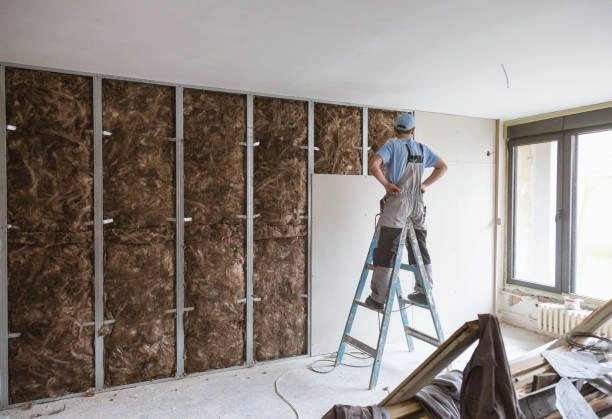
Almost every remodel we take on in the Los Angeles area involves drywall work somewhere, even when the project is “about” something else: removing old cabinets exposes unfinished wall, relocating an appliance leaves openings to close, a drywall and paint refresh is what makes a refinished kitchen read as new. At Hollywood Refinishing we’ve spent over two decades doing that finish work — hanging, taping, texturing to match the existing wall, and painting — so the drywall part of your project disappears into the result. If you’re planning the finish stage of a project yourself, our guide to essential finish carpentry tools covers the rest of the toolkit.
Frequently Asked Questions
1. Is Sheetrock better than regular drywall?
No — Sheetrock is a brand of drywall, not a better material. USG’s panels are well made, but so are the other major brands, and all standard gypsum board is manufactured to the same ASTM specification. Choose the panel type and thickness for the job; the brand on the label matters far less.
2. Do Sheetrock and generic drywall cost the same?
They sit in the same price class. What actually moves the price is panel type and thickness — specialty moisture-resistant, fire-rated, or soundproof panels cost more than standard board regardless of whose name is on them.
3. What kind of drywall should go in a bathroom?
Moisture-resistant green board for the walls and ceiling outside the wet area. Inside showers and tub surrounds, use cement backer board under tile — no paper-faced gypsum panel, Sheetrock included, belongs behind shower tile.
4. Can water-damaged drywall be repaired, or does it need replacement?
A light surface stain from a fixed, one-time leak can sometimes be sealed and repainted. But drywall that is soft, swollen, crumbling, or was soaked needs to be cut out and replaced — wet gypsum doesn’t recover, and trapped moisture leads to mold. Fix the source of the water first, then repair the wall.
5. What thickness of drywall do I need for walls and ceilings?
Half-inch panels are the standard for interior walls; 5/8-inch is the usual choice for ceilings and is the standard thickness for fire-rated Type X walls, such as those between a garage and living space.
6. Does Hollywood Refinishing handle drywall work as part of a remodel?
Yes. Drywall repair, replacement, texturing, and finishing are part of our remodeling and refinishing projects across the Los Angeles area, including full restoration after water damage. Contact us for a free estimate.